
Creating Stable Cell Lines: Step-by-Step Protocol, Applications, and FAQs
Learn the precise protocol for creating stable cell lines, explore diverse applications, and find answers to common FAQs. Read more
Complex Science, Simplified.
Learn the precise protocol for creating stable cell lines, explore diverse applications, and find answers to common FAQs. Read more
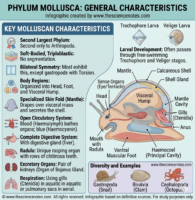
Learn about Phylum Mollusca, the second-largest animal phylum. Detailed guide on their soft bodies, radula, blue blood, and anatomical regions for students. Read more

Step-by-step laboratory protocol for Luciferase assays. Learn efficient cell harvesting, lysis using CCLR buffer, and bioluminescence measurement in opaque plates. Read more
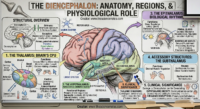
Explore the three major regions of the diencephalon: the thalamus, hypothalamus, and epithalamus and their role. Read more
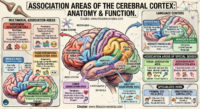
A guide to the brain's association areas, including Broca's, Wernicke's, and the prefrontal cortex. How the brain integrates sensory data? Read more
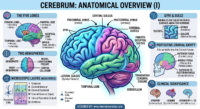
The cerebrum is the crown jewel of the human central nervous system. As the largest and most highly developed part of the brain, it occupies... Read more
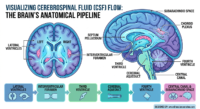
Learn about the four brain ventricles, the role of the choroid plexus, and how cerebrospinal fluid (CSF) protects the central nervous system. Read more
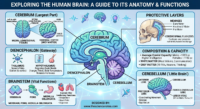
The human brain is often described as the most complex object in the known universe. Weighing roughly three pounds, this jelly-like mass of fat and... Read more

Cryopreservation is a cornerstone of modern biotechnology, ensuring that precious cell lines remain genetically stable and viable for years. However, the process is far more... Read more
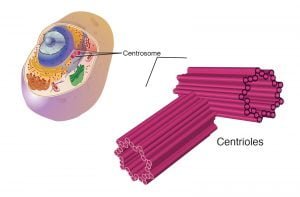
Explore the 9+3 microtubule structure of centrioles and the latest research on sperm centrosome remodeling in male infertility and embryo development. Read more