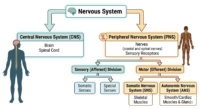
Human Nervous System: Divisions, Functions & Anatomy Guide
Explore the human nervous system's divisions: CNS vs. PNS. Learn how sensory, integrative, and motor functions work together to control the body. Perfect for students! Read more
Complex Science, Simplified.
Explore the human nervous system's divisions: CNS vs. PNS. Learn how sensory, integrative, and motor functions work together to control the body. Perfect for students! Read more
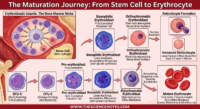
Discover the complex process of erythropoiesis. Learn how the kidneys and bone marrow produce red blood cells, the structure of hemoglobin, and common blood disorders like anemia. Read more
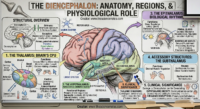
Explore the three major regions of the diencephalon: the thalamus, hypothalamus, and epithalamus and their role. Read more
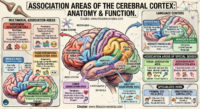
A guide to the brain's association areas, including Broca's, Wernicke's, and the prefrontal cortex. How the brain integrates sensory data? Read more
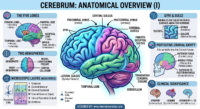
The cerebrum is the crown jewel of the human central nervous system. As the largest and most highly developed part of the brain, it occupies... Read more
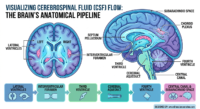
Learn about the four brain ventricles, the role of the choroid plexus, and how cerebrospinal fluid (CSF) protects the central nervous system. Read more
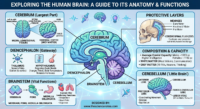
The human brain is often described as the most complex object in the known universe. Weighing roughly three pounds, this jelly-like mass of fat and... Read more

The Autonomic Nervous System controls the body’s involuntary functions—like heartbeat, breathing, and digestion—without us even thinking about it. This guide breaks down how it works, its two main branches, and why it's essential for keeping us balanced and alive. Read more

Vital capacity measures the maximum air a person can exhale after full inhalation, used to assess lung function, aiding in diagnosing and monitoring respiratory diseases. Read more
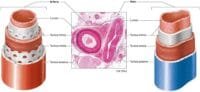
The cardiovascular system is a vital network within the human body responsible for the transportation of blood, nutrients, and waste products. This intricate system includes the heart, blood vessels, and blood. The heart functions as the central pump, driving the circulation of blood through arteries, veins, and capillaries. Blood vessels are essential pathways that connect different parts of the body, allowing for the exchange of gases, nutrients, and waste at the cellular level. Read more