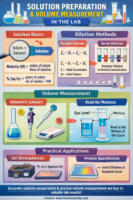
Solution Preparation, Concentration, and Volume Measurement in Laboratory
Learn accurate solution preparation, concentration calculation, volume measurement, and dilution techniques for lab experiments. Read more
Complex Science, Simplified.
Learn accurate solution preparation, concentration calculation, volume measurement, and dilution techniques for lab experiments. Read more
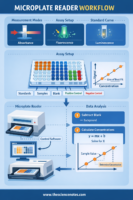
Learn how a microplate reader works, including absorbance, fluorescence, luminescence assay, standard curve, control, and step-by-step guide. Read more
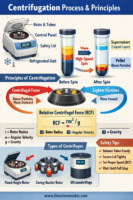
A complete guide to centrifugation principles, RPM vs RCF, detailed procedures, types of centrifuges, safety, and laboratory applications. Read more
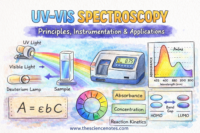
A guide to UV-Vis spectroscopy explaining principles, instrumentation, absorbance, concentration analysis, reaction kinetics, and applications. Read more
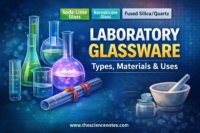
A guide to laboratory glassware covering materials, accuracy, connections, cleaning, and common chemistry lab uses. Read more
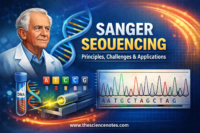
Sanger sequencing explained for students, covering principles, workflow, challenges, and modern applications in DNA sequencing. Read more
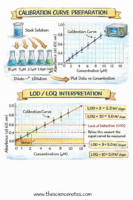
Calibration curves are essential tools in analytical chemistry, biochemistry, and pharmaceutical analysis. They help understand the instrumental response to an analyte and predict the concentration... Read more
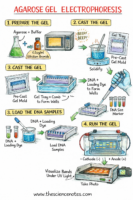
Agarose gel electrophoresis is a fundamental laboratory technique used in molecular biology to separate DNA fragments based on size. It is widely applied in genetic... Read more
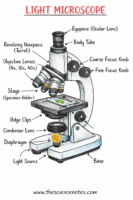
Light microscopy is one of the most fundamental and widely used techniques in biological and biomedical research. From observing cells and tissues to assisting in... Read more
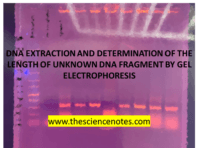
This experiment aimed to extract DNA from cheek cells and determine the length of an unknown DNA fragment using gel electrophoresis. The DNA was extracted... Read more