Skip to content

THE SCIENCE NOTES

Complex Science, Simplified.

  • Diseases Guide
  • Cell and Molecular Biology
  • Anatomy and Physiology
  • Immunology
  • Protocols and Techniques
  • Food Science
  • Microbiology
  • Biotechnology
  • Biochemistry
  • Bacteriology
  • Cancer
  • Biology
  • News & Blogs
  • Contact Us
  • Privacy Policy
THE SCIENCE NOTES
  • Diseases Guide
  • Cell and Molecular Biology
  • Anatomy and Physiology
  • Immunology
  • Protocols and Techniques
  • Food Science
  • Microbiology
  • Biotechnology
  • Biochemistry
  • Bacteriology
  • Cancer
  • Biology
  • News & Blogs
  • Contact Us
  • Privacy Policy

Tag: Micropipettor

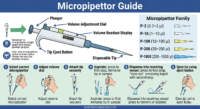
A comprehensive educational infographic titled "Micropipettor Guide" showing the parts of a micropipettor, volume ranges (P-2 to P-1000), color-coded tips, and step-by-step instructions for aspirating and dispensing liquid.
Posted on March 18, 2026 Protocols and Techniques

Micropipettors: Essential Tools for Accurate Microvolume Liquid Transfers in the Laboratory

Learn how to use micropipettor for precise microvolume liquid transfers; lab applications, tip selection, and best practices for accuracy. Read more

Recent Posts

  • Artificial Intelligence Explained: What AI Is, How It Works, and Why Science Students Should Learn It
  • Human iPSC-Derived Liver Organoids with Kupffer Cells: Protocol Overview, Research Value, and Applications
  • CRISPR Knockout in iPSC-Derived Macrophages: Optimized Workflow, Benefits, and Research Applications
  • Cryo-Electron Microscopy (Cryo-EM): Principle, Techniques, and Steps
  • Peanut Allergy Prevention: Early Introduction & Lasting Protection

🔥 Trending Now

  • 01 M1 and M2 Macrophage Polarization Protocol
  • 02 Health Impacts of Microplastics: A Complete Guide
  • 03 Entamoeba histolytica: Lifecycle and Diagnosis
Advertisement
May 2026
SMTWTFS
 12
3456789
10111213141516
17181920212223
24252627282930
31 
« Apr    
Advertisement

Two things are infinite: the universe and human stupidity; and I'm not sure about the universe. - Albert Einstein

© 2026 THE SCIENCE NOTES / Powered by WordPress / Theme by Design Lab