Skip to content

THE SCIENCE NOTES

Complex Science, Simplified.

  • Diseases Guide
  • Cell and Molecular Biology
  • Anatomy and Physiology
  • Immunology
  • Protocols and Techniques
  • Food Science
  • Microbiology
  • Biotechnology
  • Biochemistry
  • Bacteriology
  • Cancer
  • Biology
  • News & Blogs
  • Contact Us
  • Privacy Policy
THE SCIENCE NOTES
  • Diseases Guide
  • Cell and Molecular Biology
  • Anatomy and Physiology
  • Immunology
  • Protocols and Techniques
  • Food Science
  • Microbiology
  • Biotechnology
  • Biochemistry
  • Bacteriology
  • Cancer
  • Biology
  • News & Blogs
  • Contact Us
  • Privacy Policy

Author: Alisha G C

Posted on January 18, 2019April 10, 2026 Invertebrates

Phylum Nemathelminthes: The Ultimate Guide to Roundworms

What are Nemathelminthes? Discover the biology of roundworms, including Ascaris and Wuchereria. Understand how these parasites impact human health and ecosystems. Read more

Posted on January 12, 2019April 10, 2026 Biotechnology

The Orchestrators of Life: A Comprehensive Guide to Human Hormones

  The human body is an incredibly complex machine, yet its various systems—from the beat of a heart to the digestion of a meal—operate in... Read more
Posted on December 30, 2018April 10, 2026 Invertebrates

Phylum Coelenterata : General Characteristics and Classification

Explore the world of Phylum Coelenterata (Cnidaria). Learn about their unique nematocysts, radial symmetry, and the three main classes: Hydrozoa, Scyphozoa, and Anthozoa. This comprehensive guide covers their general characteristics, polymorphism, and life cycles—perfect for biology students and educators. Read more

A schematic diagram of the double dilution method for determining Minimum Inhibitory Concentration (MIC). The image shows a series of test tubes containing decreasing concentrations of an antimicrobial agent (e.g., 64, 32, 16, 8 mcg/mL) in Mueller-Hinton broth, illustrating the transition from turbid tubes with bacterial growth to clear tubes showing inhibition.
Posted on December 28, 2018April 11, 2026 Bacteriology

Minimum Inhibitory Concentration (MIC): Methods, Applications, and Clinical Significance

Discover the essential methods for determining Minimum Inhibitory Concentration (MIC). This comprehensive guide covers Broth Dilution, Agar Dilution, and the E-test, explaining their clinical importance in treating life-threatening infections and monitoring antibiotic resistance. Read more

Posted on December 28, 2018April 11, 2026 Invertebrates

Phylum Porifera : General Characteristics and Classification

Explore Phylum Porifera, the "Republic of Cells." Learn about sponge characteristics, choanocytes, and the three classes: Calcarea, Hexactinellida, and Demospongiae. Read more
Posted on December 28, 2018April 11, 2026 Invertebrates

Phylum Protozoa : General Characteristics and Classification

A complete guide to Phylum Protozoa. Learn about the general characteristics, locomotory organs (cilia, flagella, pseudopodia), and the classification of the first animals. Read more

Posted on December 25, 2018April 11, 2026 Anatomy and Physiology

Nerve Impulse Transmission: Action Potentials, Ion Channels, and Synapses

Learn how nerve impulses travel via action potentials. This guide covers polarization, depolarization, repolarization, and chemical transmission across the synapse. Read more
Posted on December 6, 2018April 11, 2026 Anatomy and Physiology

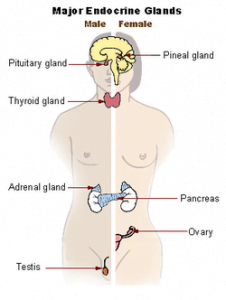
Endocrine System: Hormones, Functions, and Classification

The human body is governed by two major communication systems: the nervous system and the endocrine system. While the nervous system uses electrical impulses for... Read more
Posted on November 28, 2018April 11, 2026 Bacteriology

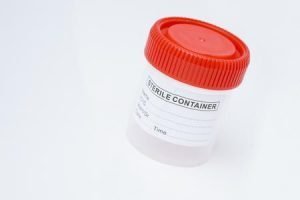
Specimen Collection and Handling for Mycobacterium tuberculosis

A detailed guide on the collection and handling of TB specimens, including sputum, gastric lavage, and body fluids. Learn about safety protocols and transportation for Mycobacterium tuberculosis. Read more

Posted on November 28, 2018April 11, 2026 Food Science

Vitamin A (Retinol): Functions, Metabolism, Deficiency, and Toxicity

Explore the essential role of Vitamin A (Retinol) in human health. This guide covers its transport, metabolism, vital biological functions, sources, and the clinical consequences of deficiency and toxicity. Read more

Posts pagination

← 1 … 8 9 10

Recent Posts

  • Cryo-Electron Microscopy (Cryo-EM): Principle, Techniques, and Steps
  • Peanut Allergy Prevention: Early Introduction & Lasting Protection
  • Human Nervous System: Divisions, Functions & Anatomy Guide
  • Cell Division: Foundations, Mechanisms, and Modern Research
  • ELISPOT Assay: Theory, Methodology, and Research Applications

🔥 Trending Now

  • 01 M1 and M2 Macrophage Polarization Protocol
  • 02 Health Impacts of Microplastics: A Complete Guide
  • 03 Entamoeba histolytica: Lifecycle and Diagnosis
Advertisement
April 2026
SMTWTFS
 1234
567891011
12131415161718
19202122232425
2627282930 
« Mar    
Advertisement

Two things are infinite: the universe and human stupidity; and I'm not sure about the universe. - Albert Einstein

© 2026 THE SCIENCE NOTES / Powered by WordPress / Theme by Design Lab