Skip to content

THE SCIENCE NOTES

Complex Science, Simplified.

  • Home
  • Anatomy and Physiology
  • Biochemistry
  • Biotechnology
  • Cancer
  • Cell and Molecular Biology
  • Diseases Guide
  • Genetics
  • Immunology
  • Microbiology
  • Food Science
  • Cell and Molecular Biology
  • Protocols and Techniques
  • Microbiology
  • Privacy Policy
  • Contact Us
THE SCIENCE NOTES
  • Home
  • Anatomy and Physiology
  • Biochemistry
  • Biotechnology
  • Cancer
  • Cell and Molecular Biology
  • Diseases Guide
  • Genetics
  • Immunology
  • Microbiology
  • Food Science
  • Cell and Molecular Biology
  • Protocols and Techniques
  • Microbiology
  • Privacy Policy
  • Contact Us

Author: Binod G C, Ph.D.

Posted on February 25, 2019April 29, 2023 Invertebrates

Phylum Arthropoda: General Characteristics and Classification

Explore the diversity and characteristics of Arthropoda phylum. Learn about their classification, anatomy, and ecological significance. Read more
Posted on January 17, 2019February 9, 2023 Invertebrates

Platyhelminthes: Characteristics and Classification

General Characteristics of Platyhelminthes Classification 3 classes on the basis of mode of life, presence or absence of digestive system and cilia in epidermis. Turbellaria (L;turbella... Read more

Posted on December 26, 2018April 15, 2023 Biotechnology

An Introduction to Hazards Analysis Critical Control Point – Terminologies, Types of Hazards, and Principles

Learn the basics of HACCP - Hazards Analysis Critical Control Point. Understand its terminologies, types of hazards, and principles. Read more
Posted on November 17, 2018April 11, 2026 Bacteriology Microbiology

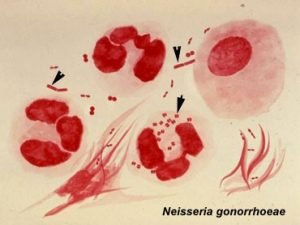
Neisseria gonorrhoeae: Etiology, Pathogenesis, and Lab Diagnosis

A clinical guide to Neisseria gonorrhoeae. Explore the etiology of Gonorrhea, specific specimen collection protocols for males and females, Thayer-Martin culture techniques, and biochemical identification. Read more
Posted on November 15, 2018January 30, 2023 Anatomy and Physiology

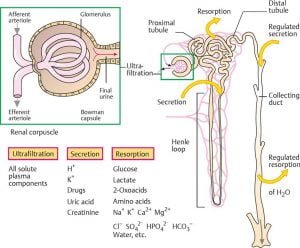
Physiology of Urine Formation

Mammals excrete their nitrogenous waste products in the form of urea and hence they are called ureotelic organisms. The urea is produced in liver and... Read more

Posts pagination

← 1 … 20 21 22
  • Home
  • Anatomy and Physiology
  • Biochemistry
  • Biotechnology
  • Cancer
  • Cell and Molecular Biology
  • Diseases Guide
  • Genetics
  • Immunology
  • Microbiology
  • Food Science
  • Cell and Molecular Biology
  • Protocols and Techniques
  • Microbiology
  • Privacy Policy
  • Contact Us

Recent Posts

  • Trihybrid Cross: Definition, Forked Line Method, and Phenotypic Ratio
  • Dihybrid Cross: Mendel’s Law of Independent Assortment Explained
  • Monohybrid Cross: Mendel’s Pea Plant Experiments, Dominance, and Law of Segregation
  • Punnett Square: Definition, Examples, Uses, and Limitations in Genetics
  • A PhD Is Not Nothing: An Open Letter to Those Who Dismiss the Journey

🔥 Trending Now

  • 01 M1 and M2 Macrophage Polarization Protocol
  • 02 Health Impacts of Microplastics: A Complete Guide
  • 03 Entamoeba histolytica: Lifecycle and Diagnosis
Advertisement
May 2026
SMTWTFS
 12
3456789
10111213141516
17181920212223
24252627282930
31 
« Apr    
Advertisement

Two things are infinite: the universe and human stupidity; and I'm not sure about the universe. - Albert Einstein

© 2026 THE SCIENCE NOTES / Powered by WordPress / Theme by Design Lab